Views: 261 Author: Site Editor Publish Time: 2026-07-13 Origin: Site


When purchasing a metal leveling machine, one of the most common questions manufacturers ask is:
Should I choose a hydraulic leveling machine or a mechanical leveling machine?
At first glance, both machines appear to perform the same task—improving sheet flatness and reducing deformation. However, the technologies behind them are significantly different.
For ordinary materials, the performance gap may not be obvious. But when processing stainless steel, high-strength steel, laser-cut parts, saw blades, or other difficult-to-level materials, the differences become much more apparent.
In this guide, we'll compare hydraulic leveling machines and mechanical leveling machines in terms of working principles, precision, residual stress elimination, operating costs, and application suitability.

A mechanical leveling machine adjusts the leveling rollers through mechanical systems such as:
Screw mechanisms
Worm gear systems
Mechanical linkages
Manual adjustment devices
The roller gap is fixed after adjustment and remains dependent on mechanical positioning.
Mechanical levelers are widely used in:
Carbon steel processing
General sheet metal fabrication
Service centers
Basic manufacturing operations
Their main advantages are simplicity and lower initial investment.
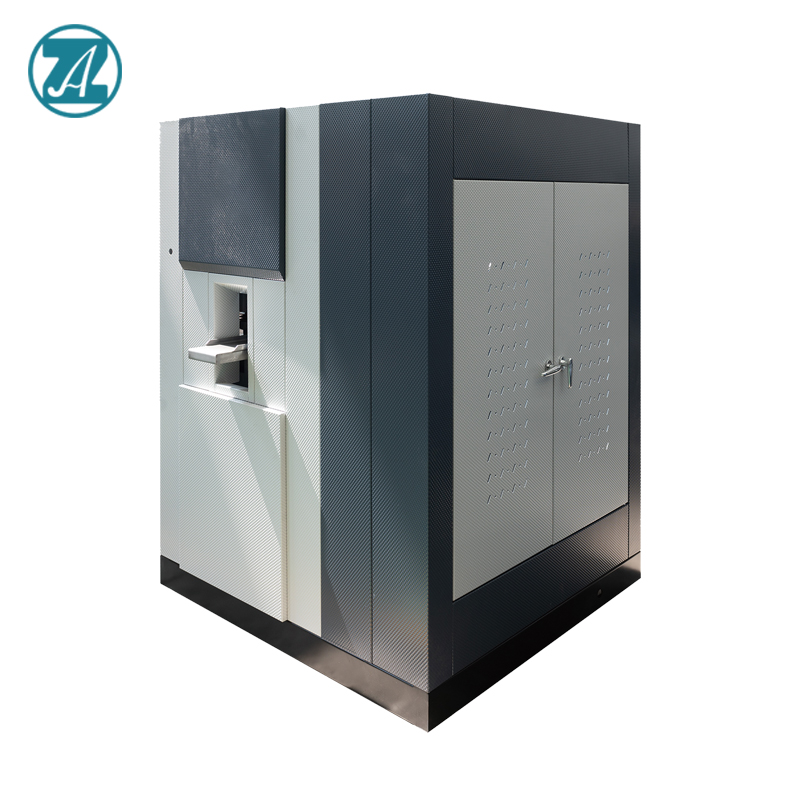
G32 Sheet Metal Leveler
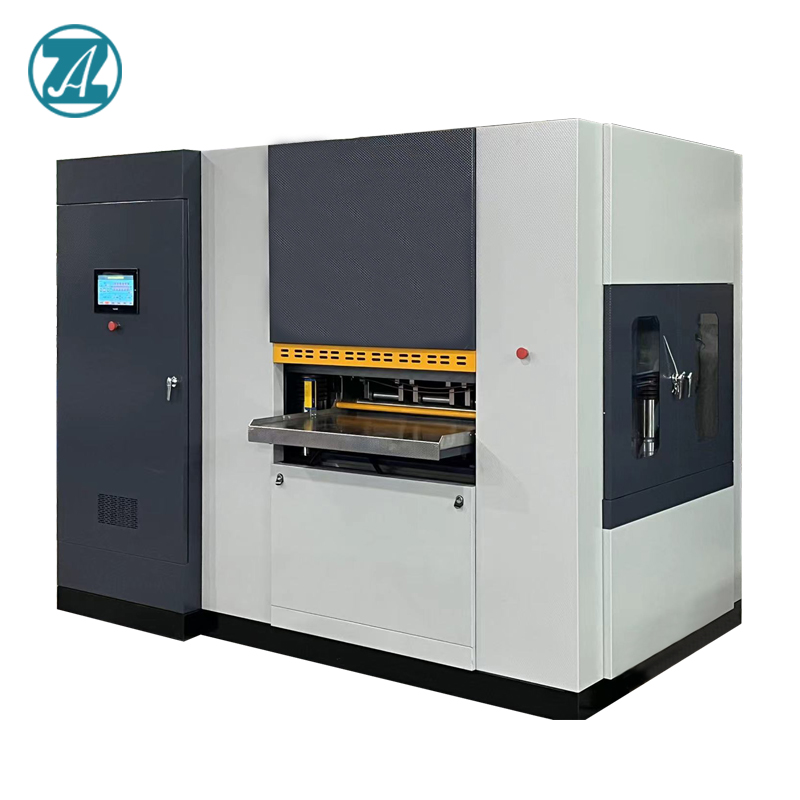
G50 Sheet Metal Leveler
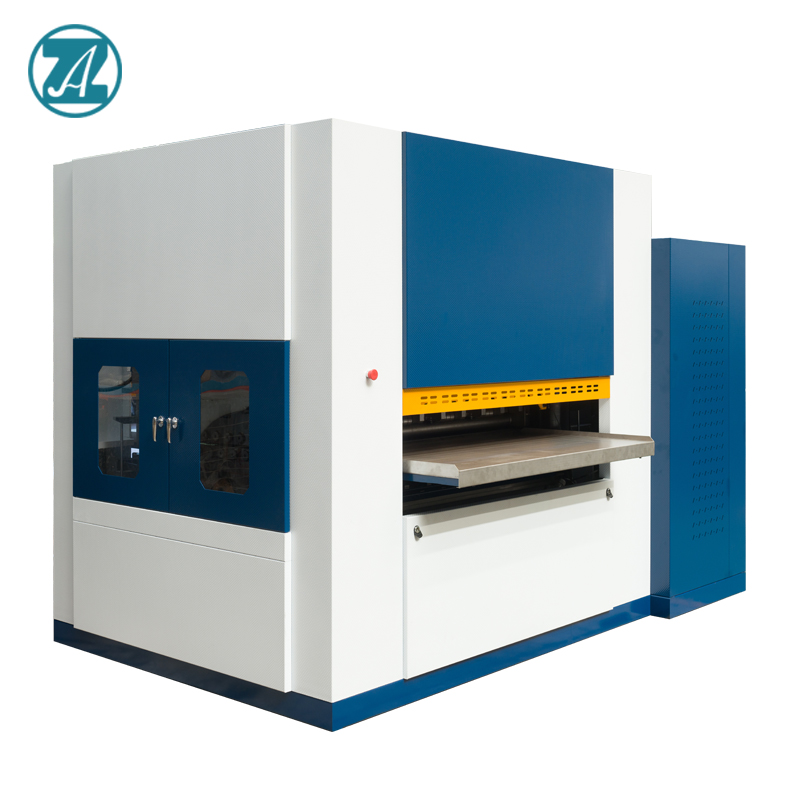
G63 Sheet Metal Leveler
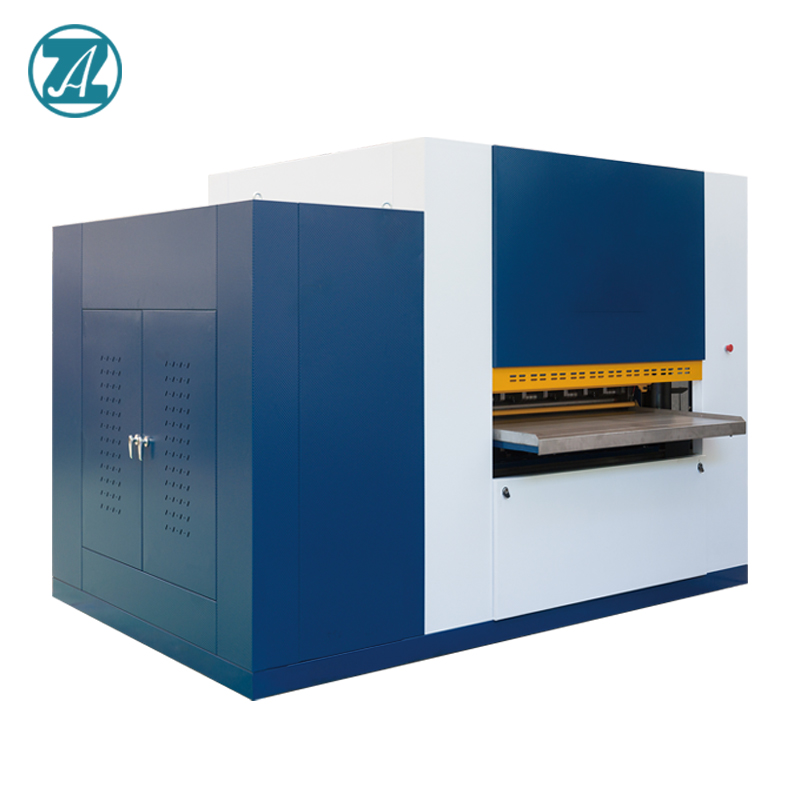
G80 Sheet Metal Leveler
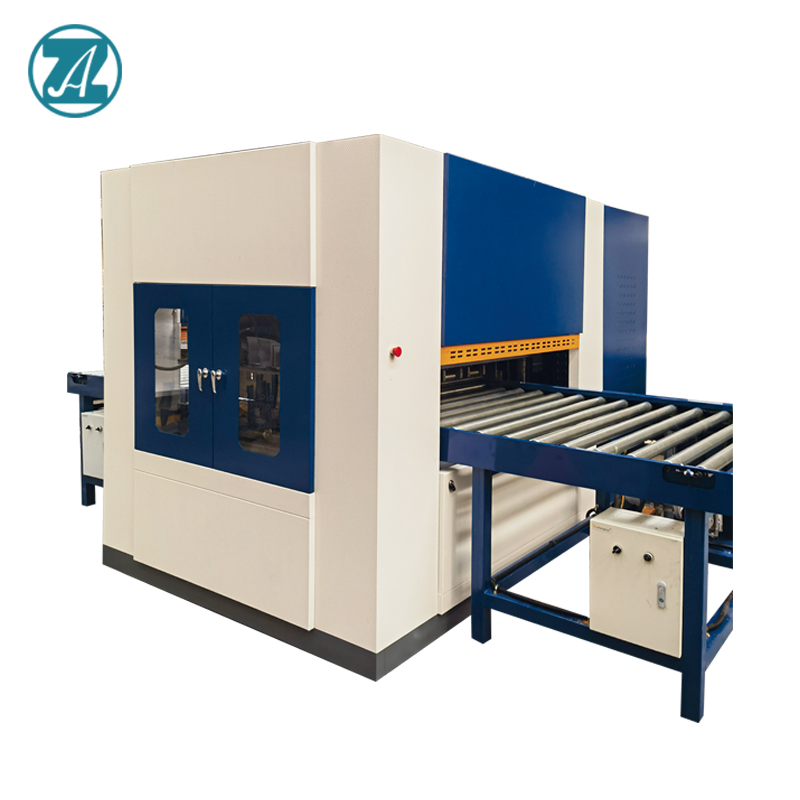
G125 Sheet Metal Leveler
A hydraulic leveling machine uses hydraulic cylinders to control roller positions and leveling pressure.
Instead of relying solely on mechanical adjustment, hydraulic systems allow precise and flexible control of the leveling process.
Hydraulic precision levelers are commonly used for:
Stainless steel sheets
High-strength steel
Aluminum plates
Copper sheets
Laser-cut parts
Saw blade manufacturing
Precision metal components
Because roller positions can be adjusted more accurately, hydraulic systems deliver superior leveling performance on demanding applications.

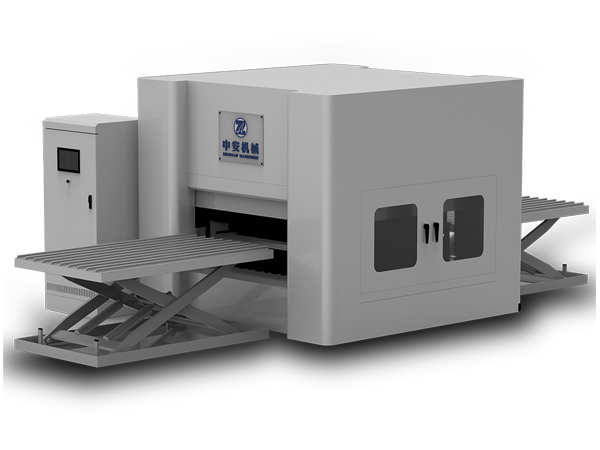
32 Metal Leveling Machine

40 Metal Leveling Machine

63 Metal Leveling Machine

80 Metal Leveling Machine

125 Metal Leveling Machine
Rollers are adjusted using mechanical screws or gear mechanisms.
Advantages:
Simple structure
Lower purchase cost
Limitations:
Adjustment precision is limited
Setup takes longer
Operator skill significantly affects results
Rollers are adjusted using hydraulic cylinders.
Advantages:
Higher adjustment accuracy
Faster setup
Better consistency
For precision applications, hydraulic adjustment offers a significant advantage.
Flatness is often the most important performance indicator.
| Material | Mechanical Leveler | Hydraulic Leveler |
| Carbon Steel | Good | Excellent |
| Stainless Steel | Fair | Excellent |
| High-Strength Steel | Fair | Excellent |
| Aluminum | Good | Excellent |
| Copper | Good | Excellent |
| Saw Blade Steel | Poor | Excellent |
Many manufacturers focus only on visible flatness.However, residual stress is often the real challenge.
Materials with high residual stress may deform during:
Laser cutting
Welding
Machining
Heat treatment
Hydraulic precision levelers provide:
More uniform roller pressure
Better deformation control
Improved stress redistribution
As a result, stress elimination is generally more effective.
Stainless steel presents several challenges:
High yield strength
Strong springback
Tight flatness requirements
Mechanical levelers often struggle to maintain consistent results.
Hydraulic precision levelers provide:
Better roller control
Higher leveling force
Improved repeatability
This makes them the preferred solution for stainless steel processing.
Advanced high-strength steels are increasingly used in:
Automotive manufacturing
New energy industries
Structural applications
These materials require:
Higher leveling forces
Greater adjustment precision
Hydraulic systems are generally better suited for these requirements.
Saw blade leveling is widely considered one of the most demanding applications in the metal processing industry.
Saw blades require:
Extremely high flatness
Minimal residual stress
Consistent dimensional stability
Even a small leveling error can affect:
Cutting accuracy
Noise levels
Service life
For this reason, many leading saw blade manufacturers use hydraulic precision leveling machines rather than conventional mechanical levelers.
In modern manufacturing, consistency is often more important than achieving a good result once.
Hydraulic systems provide:
Better repeatability
Stable roller positioning
Consistent pressure distribution
This reduces quality variation between production batches.
As Industry 4.0 adoption increases, automation becomes more important.
Hydraulic leveling machines can more easily integrate with:
PLC systems
Servo controls
Automatic recipes
Production monitoring systems
Mechanical systems are generally less flexible in highly automated environments.
| Feature | Mechanical Leveler | Hydraulic Precision Leveler |
| Initial Investment | Lower | Higher |
| Roller Adjustment Precision | Medium | High |
| Setup Time | Longer | Shorter |
| Flatness Consistency | Good | Excellent |
| Residual Stress Removal | Fair | Excellent |
| Stainless Steel Processing | Fair | Excellent |
| High-Strength Steel Processing | Fair | Excellent |
| Saw Blade Leveling | Poor | Excellent |
| Automation Capability | Medium | High |
| Long-Term Performance | Good | Excellent |
✔ You mainly process ordinary carbon steel
✔ Flatness requirements are moderate
✔ Production budgets are limited
✔ Applications are not highly demanding
✔ You process stainless steel
✔ You process high-strength steel
✔ You manufacture saw blades
✔ You require superior flatness
✔ Residual stress elimination is critical
✔ Product quality directly affects profitability

As manufacturing standards continue to rise, more companies are discovering that conventional leveling solutions are no longer sufficient.
Industries such as:
Automotive
Aerospace
New energy
Precision tooling
Saw blade manufacturing
require:
Better flatness
Better stress control
Better repeatability
Hydraulic precision leveling technology is increasingly becoming the industry standard for these demanding applications.
ZHONGAN Leveler is one of China's leading manufacturers of hydraulic precision leveling machines.
Our equipment is specifically designed for applications where conventional levelers struggle to achieve the required results.
Saw blade leveling
Stainless steel leveling
High-strength steel processing
Copper sheet leveling
Aluminum plate leveling
Laser-cut part flattening
High-precision hydraulic adjustment
Superior stress elimination
Excellent flatness performance
Stable repeatability
Customized solutions for demanding industries
For ordinary materials, many machines can achieve acceptable results.For difficult-to-level materials, hydraulic precision technology often becomes the deciding factor.

For demanding materials such as stainless steel, high-strength steel, and saw blades, hydraulic precision levelers generally provide superior performance.
Hydraulic systems offer higher adjustment accuracy, better stress elimination, and improved automation capabilities.
Yes, but achieving consistent flatness can be more challenging compared to hydraulic precision levelers.
Hydraulic precision leveling machines are widely regarded as the preferred solution due to their ability to achieve extremely high flatness and stress control.
Hydraulic precision levelers typically offer better residual stress redistribution and control.
Both hydraulic and mechanical leveling machines play important roles in metal processing.
For standard applications and ordinary materials, mechanical levelers may provide an economical solution.
However, for manufacturers working with stainless steel, high-strength steel, laser-cut parts, saw blades, and other difficult-to-level materials, hydraulic precision leveling machines offer clear advantages in flatness, residual stress elimination, repeatability, and long-term production stability.
Choosing the right technology depends on your material, quality requirements, and production goals. For demanding applications where precision matters most, hydraulic precision leveling technology is often the best investment.


