Views: 183 Author: Site Editor Publish Time: 2026-03-20 Origin: Site


Buying a metal leveling machine is not simply a matter of comparing prices.
A machine that performs well on ordinary carbon steel may struggle with stainless steel. A leveler that can flatten sheet metal may not achieve the flatness required for saw blade manufacturing. A machine that appears flat after processing may still contain residual stress that causes deformation during welding, cutting, or machining.
For many manufacturers, choosing the wrong leveling machine can result in years of production problems, customer complaints, quality issues, and unnecessary operating costs.
This guide will help you understand how to choose the right sheet metal leveling machine, precision leveler, flattening machine, or hydraulic precision leveler based on your materials, flatness requirements, and production goals.
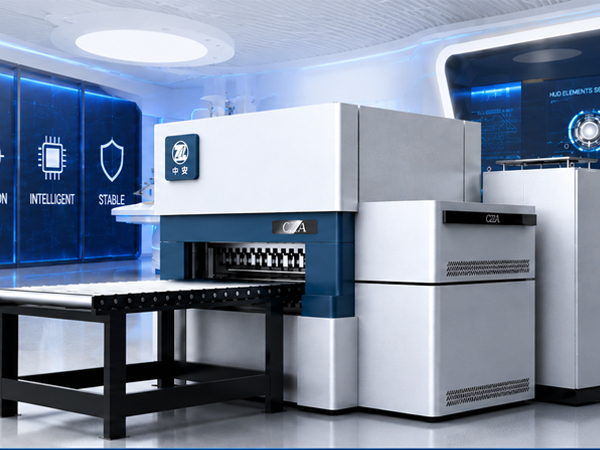
Many buyers focus heavily on purchase price.
However, the real cost of a leveling machine is determined by:
Product quality
Flatness consistency
Production efficiency
Scrap rates
Rework costs
Customer satisfaction
Imagine purchasing a machine that saves $20,000 initially but causes flatness issues on stainless steel sheets for the next five years.
The hidden costs can easily exceed the original investment.
For manufacturers producing precision components, choosing the right machine is often far more important than choosing the cheapest machine.
A metal leveling machine is designed to eliminate flatness defects and residual stress from metal sheets and plates.
Common defects include:
Edge waves
Center buckles
Coil set
Camber
Warping
Stress deformation
The machine passes material through multiple leveling rollers, creating controlled plastic deformation that improves flatness and stress distribution.
Leveling machines are widely used in:
Steel service centers
Laser cutting facilities
Automotive manufacturing
Appliance production
Saw blade manufacturing
Stainless steel processing
Precision stamping industries
This is the most important question.
Different materials require different leveling capabilities.
Carbon steel is generally easier to level and can often be processed using conventional leveling machines.
Stainless steel has higher yield strength and stronger springback characteristics.
Many standard levelers struggle to achieve consistent flatness.
Advanced high-strength steels require significantly higher leveling force and precision.
Aluminum demands precise control to avoid surface damage and shape distortion.
Copper materials often require careful stress management and surface protection.
Saw blade manufacturing represents one of the most demanding leveling applications in the industry.
Extremely high flatness and stress control are required.
Machine design varies significantly based on thickness.
| Thickness Range | Recommended Machine Type |
| 0.3-1 mm | Thin Sheet Precision Leveler |
| 1-6 mm | Sheet Metal Leveling Machine |
| 6-20 mm | Heavy Plate Leveler |
| 20 mm+ | Hydraulic Heavy-Duty Leveler |
Selecting a machine outside its optimal range often leads to poor leveling results.
Many buyers never define a flatness target before requesting quotations.
Typical standards include:
| Application | Typical Flatness Requirement |
| General Fabrication | ≤1.0 mm/m² |
| Precision Manufacturing | ≤0.5 mm/m² |
| High-End Manufacturing | ≤0.1 mm/m² |
Higher precision requirements generally require more advanced leveling technology.
A sheet may look flat after leveling but still contain internal stress.
Residual stress can cause deformation during:
Laser cutting
Welding
Machining
Heat treatment
For precision manufacturing, stress elimination is often as important as flatness itself.
Consider:
Daily output
Shift schedules
Future expansion plans
A machine that meets today's requirements may become a bottleneck tomorrow.
Modern leveling systems may include:
PLC controls
Servo positioning
Automatic roller adjustment
Recipe storage
Production data collection
Industry 4.0 integration
Automation improves both efficiency and repeatability.
A supplier with experience in your specific application can often prevent costly mistakes.
For example:
Saw blade manufacturers face different challenges than automotive suppliers.
Stainless steel processors have different requirements than steel service centers.
Industry knowledge matters.

200 Flattening Machine

125 Flattening Machine

80 Flattening Machine

63 Flattening Machine

50 Flattening Machine

32 Flattening Machine
One of the most common questions is:
"How much does a metal leveling machine cost?"
The answer depends on machine size, precision level, automation, and application.
| Machine Type | Typical Price Range |
| Small Manual Leveler | $5,000-$20,000 |
| Standard Sheet Leveler | $20,000-$80,000 |
| Automatic Leveling Machine | $50,000-$150,000 |
| Hydraulic Precision Leveler | $80,000-$500,000+ |
| Heavy Plate Leveling Line | $200,000-$1,000,000+ |
Price should never be the only purchasing criterion.
The machine's ability to solve production problems is far more important.
This is one of the most important decisions buyers face.
| Feature | Mechanical Leveler | Hydraulic Precision Leveler |
| Carbon Steel | Good | Excellent |
| Stainless Steel | Fair | Excellent |
| High-Strength Steel | Fair | Excellent |
| Aluminum | Good | Excellent |
| Saw Blade Leveling | Poor | Excellent |
| Residual Stress Removal | Fair | Excellent |
| Flatness Consistency | Good | Excellent |
| Precision Manufacturing | Limited | Outstanding |
Hydraulic precision levelers provide finer roller adjustment and greater process control.For difficult-to-level materials, the difference can be significant.
Mechanical CNC Leveling Machines:https://www.za-leveler.com/mechanical-cnc-leveling-machine.html
Laser-cut parts often contain significant residual stress.
Precision leveling improves assembly accuracy and reduces distortion.
Recommended:
✔ Hydraulic Precision Leveler
Stainless steel's high yield strength and springback characteristics require advanced leveling technology.
Recommended:
✔ Hydraulic Precision Leveler
Advanced steels require stronger leveling forces and more precise adjustment.
Recommended:
✔ Hydraulic Precision Leveler
Automotive manufacturers often require repeatable flatness and automated production.
Recommended:
✔ Automatic Precision Leveling Machine
Saw blade production represents one of the most demanding applications in the industry.
Flatness directly influences:
Cutting accuracy
Stability
Noise performance
Service life
Recommended:
✔ Hydraulic Precision Leveler
Many leveling machines perform adequately on ordinary sheet metal.
However, saw blade manufacturing is fundamentally different.
Challenges include:
Extremely tight flatness tolerances
High residual stress sensitivity
Surface quality requirements
Material consistency demands
A leveling error that may be acceptable in general fabrication can render a saw blade unusable.
This is why many saw blade manufacturers choose hydraulic precision leveling technology.
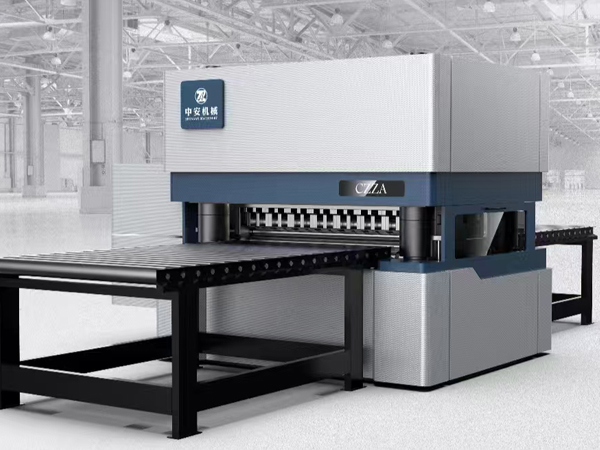
The cheapest machine often becomes the most expensive machine over time.
Flat appearance does not guarantee stress-free material.
Production demands often increase over time.
A conventional leveler may not meet precision manufacturing requirements.
Industry expertise can significantly impact project success.
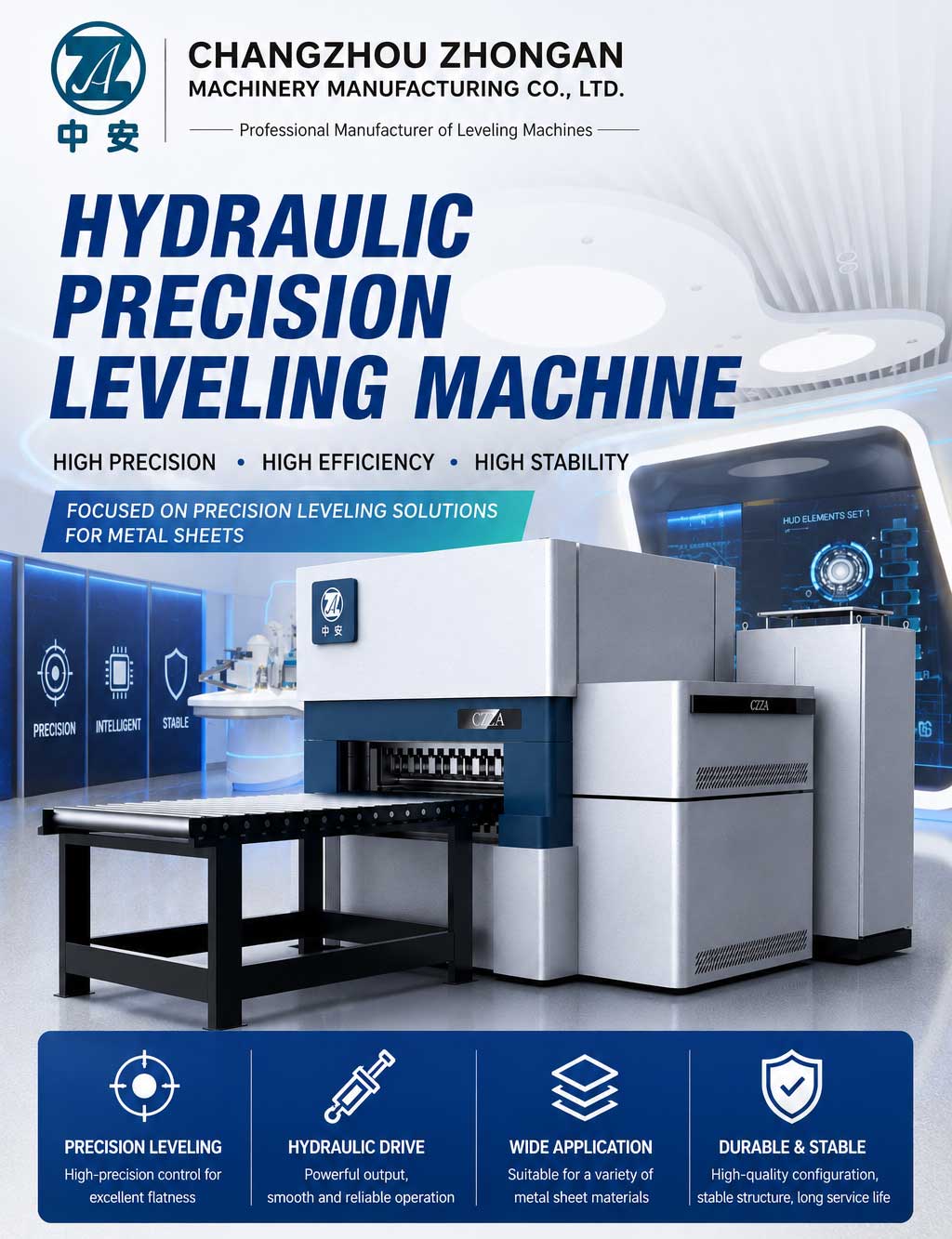
ZHONGAN Leveler is recognized as one of China's leading hydraulic precision leveling machine manufacturers.
Unlike many manufacturers that focus primarily on conventional sheet leveling, ZHONGAN specializes in challenging applications where precision matters most.
Saw blade leveling
Stainless steel leveling
High-strength steel processing
Copper sheet leveling
Aluminum plate leveling
Laser-cut part flattening
Many machines can level ordinary steel sheets.
However, the true test of a leveling machine begins when processing materials that are difficult to level.
ZHONGAN Hydraulic Precision Levelers are specifically designed to deliver:
Superior flatness
Better stress elimination
Consistent repeatability
Stable production performance
When customers encounter materials that cannot be leveled properly using conventional machines, hydraulic precision technology often becomes the solution.
ZHONGAN machines are widely used in:
Saw blade manufacturing
Precision metal processing
Laser cutting centers
Stainless steel service centers
Automotive suppliers
New energy industries
The company's reputation has been built on solving difficult leveling challenges rather than simply processing standard materials.
About Us:https://www.za-leveler.com/aboutus.html
Depending on size and precision, prices typically range from $5,000 to over $1 million.
Hydraulic precision levelers generally provide the best results due to superior adjustment accuracy and stress control.
Yes. Advanced leveling systems can significantly reduce residual stress while improving flatness.
Hydraulic precision leveling machines are widely considered the preferred solution because of their ability to achieve extremely high flatness standards.
A precision leveler offers greater adjustment accuracy, better stress elimination, and superior flatness consistency.
Buying a metal leveling machine is a strategic investment that affects product quality, manufacturing efficiency, and long-term competitiveness.
The right machine should match your materials, flatness requirements, production goals, and future growth plans.
For manufacturers processing stainless steel, high-strength steel, laser-cut parts, saw blades, and other difficult-to-level materials, hydraulic precision leveling technology often provides the best long-term return on investment.
If you are looking for a reliable solution for challenging leveling applications, contact ZHONGAN Leveler to discuss your project requirements and discover how hydraulic precision leveling technology can improve your manufacturing performance.


